
Understanding the basics of gambling A beginner's guide to getting started
What is Gambling?
Gambling is the act of risking money or valuables on an event with an uncertain outcome, primarily with the intention of winning more money. It encompasses a variety of games and activities, from casino games like poker and roulette to sports betting and lotteries. The allure of gambling lies in the thrill of uncertainty and the possibility of a significant financial return on a small investment, especially when considering options like free spins no deposit south africa.
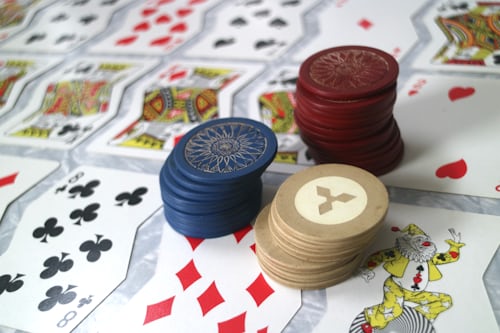
Understanding gambling begins with recognizing its various forms. Casino games, such as slots, table games, and card games, are often found in both physical and online establishments. Sports betting allows individuals to wager on the outcomes of sporting events. Lotteries involve purchasing tickets for a chance to win large sums based on random draws. Each type of gambling presents its own set of rules and strategies, appealing to a diverse range of players.
It’s important to note that while gambling can be entertaining, it also carries risks. The potential for losing money can lead to significant financial consequences, and in some cases, gambling can evolve into an addiction. Recognizing the fine line between recreational gaming and problematic behavior is essential for anyone considering gambling as a form of entertainment.
The Psychology of Gambling
The psychology behind gambling is complex and multifaceted. Many people gamble for the adrenaline rush, social interaction, or the chance of winning. However, the thrill can quickly turn into a compulsion, especially for individuals predisposed to risk-taking behaviors. Understanding these psychological factors can help gamblers maintain control over their gaming habits.
The phenomenon known as “gambling addiction” occurs when individuals lose their ability to control their gambling behavior, often leading to severe personal and financial problems. This addiction is frequently characterized by an overwhelming preoccupation with gambling, a need to gamble with increasing amounts of money, and difficulty in stopping despite negative consequences. Recognizing these signs early on can be crucial for seeking help.
Coping strategies, such as setting strict budgets or limiting time spent on gambling activities, can be effective in managing gambling behavior. Additionally, support networks and counseling can provide assistance to those struggling with addiction. By understanding the psychological aspects of gambling, individuals can make informed decisions and enjoy gambling responsibly.
Types of Gambling Games
There is a vast array of gambling games available, each with unique rules and strategies. Casino games are some of the most popular, ranging from traditional table games like blackjack and baccarat to modern slot machines. Each game offers different odds and payout structures, attracting players with varying levels of experience and preferences.
Sports betting has gained immense popularity, allowing individuals to place wagers on their favorite teams and players. This type of gambling requires knowledge of the sport, team statistics, and player performance to increase the likelihood of winning. For many, the excitement lies not only in the potential financial gain but also in the thrill of the game itself.
Lotteries offer another avenue for gambling, often with large jackpots and relatively low entry costs. Players purchase tickets for a chance to win based on random number selections. While the odds of winning a lottery are typically low, the potential for life-changing payouts attracts millions of participants worldwide. Each type of game presents unique challenges and rewards, contributing to the overall landscape of gambling.
Responsible Gambling Practices
Responsible gambling is vital for ensuring that the entertainment value of gaming does not lead to harmful consequences. Setting a budget before engaging in any gambling activity is a fundamental practice that can help individuals keep their spending in check. Players should only gamble with money they can afford to lose, treating it as entertainment rather than a source of income.
Monitoring gambling behavior is equally important. Keeping track of time spent and money wagered can provide insight into whether gambling is becoming a problem. If an individual notices that they are frequently chasing losses or gambling to escape negative feelings, it may be time to reevaluate their relationship with gambling.
Seeking help when necessary is crucial. Many organizations provide resources and support for individuals struggling with gambling addiction. Utilizing these resources can empower players to make healthier choices and maintain a balanced approach to their gambling activities, ensuring that it remains a fun and engaging pastime.

Your Guide to Online Gambling
As technology advances, online gambling has become increasingly popular, offering convenience and a wide variety of gaming options. Players can access online casinos from the comfort of their homes, choosing from numerous games with the click of a button. Online platforms often provide bonuses and promotions, enhancing the gaming experience.
When choosing an online casino, it is crucial to consider safety and legitimacy. Reputable online casinos are licensed and regulated, ensuring a fair and secure gaming environment. Players should research and read reviews to find trustworthy platforms that prioritize customer safety and satisfaction.
In addition to the variety of games available, online gambling offers unique features like live dealer games, which simulate the experience of a physical casino. This blend of technology and tradition creates an immersive experience for players. By understanding the dynamics of online gambling, individuals can embark on their gaming journey with confidence, enjoying everything the digital realm has to offer.